TO
Tennessee on the Fly
Nashville, TN
Fishes Buffalo River (Tennessee), Duck River
GuidedFloats is in beta. The full site launches March 1, 2027. The mobile app follows.
Guides: claim before March 1, 2027 and your first full season of Premium is free. Claim your founding spot →
Tennessee's longest unimpounded river, running clear and green across the Western Highland Rim through Linden and Lobelville - a canoe and jon boat smallmouth float with almost no development on it.
Claimed profiles take booking requests. Unclaimed profiles are built from public records so the river is never empty; the guide can claim or remove one any time.
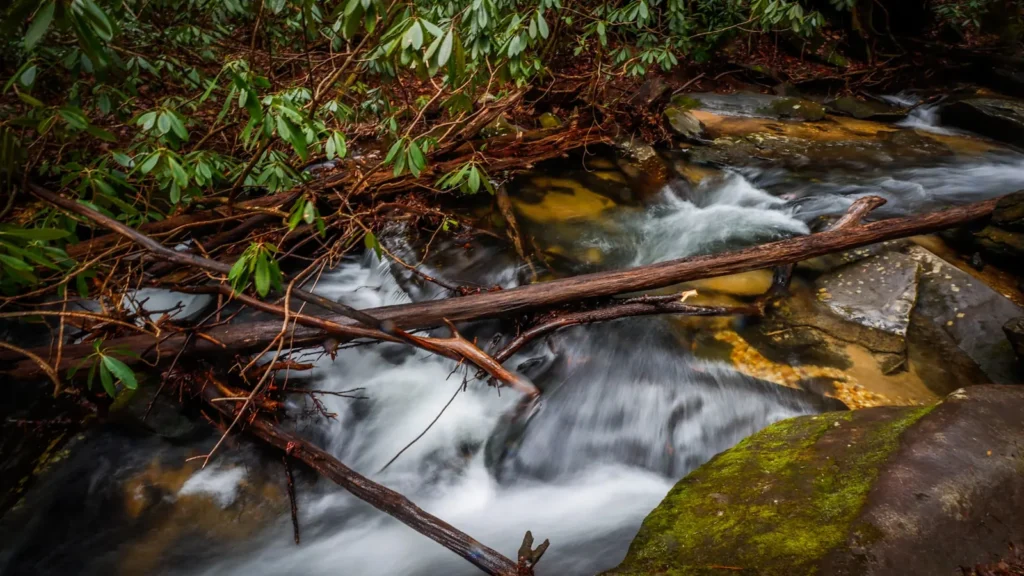
The Buffalo rises in Lawrence County and runs roughly a hundred and twenty miles north and west across the Western Highland Rim through Waynesboro, Linden and Lobelville before joining the Duck River near Hurricane Mills. It is the longest unimpounded river in Tennessee, and that fact shapes everything about it. There is no reservoir to drop the sediment, no generation schedule to check and no tailwater to fish. What there is instead is a clear, green, gravel-bottomed river that runs through steep limestone hollows and hardwood bluffs with very little development along the banks.
Smallmouth bass are the fish the river is known for. The gravel bars, root wads and limestone ledges give them holding water through the entire length, and the Buffalo consistently produces good numbers along with a reasonable share of larger fish. Rock bass are abundant and are what fills out most days on the water, largemouth bass hold in the slower pools toward the lower river, and channel catfish are common in the deeper holes. Longear sunfish are everywhere on the shallow gravel and are worth a light rod on their own. The water is clear enough that sight fishing to bass on the flats is a realistic proposition at summer flows.
This is a float river above all else. Canoes and kayaks handle it at almost any level, jon boats work the lower reaches near Lobelville, and the standard trip is a full day between crossings. Commercial canoe liveries operate out of the Flatwoods and Linden area and set the rhythm of summer traffic on the upper river. Access comes from county bridges and livery landings, with private farmland in between. The Lobelville gauge reads discharge and stage and is the practical check on whether the gravel bars will be a nuisance or a scenic feature.
Reviewed by hand before it appears. Pick the water, not the spot — we never publish exact locations.
Lobelville - river access near the gauge and the usual takeout for floats coming down the middle river.
Linden - bridge and livery access serving the most popular float segments on the river.
Flatwoods - canoe livery landings and the traditional put-in for day floats through the bluff country.
The Highway 13 and Highway 412 crossings function as the main public access points on the upper river.
The Duck River confluence near Hurricane Mills marks the bottom of the river and opens into larger, slower water.
Banks between crossings are private farmland and timber; use the bridge right of way and livery landings rather than crossing fields.
At low summer flow expect to drag over gravel bars in a loaded canoe - it is part of the trip rather than a sign of bad planning.
Spring: high, green and pushy with spring rain. Smallmouth move onto the gravel late in the season and the floating is fast.
Summer: the core season. Low clear water, sight fishing to smallmouth on the flats, and heavy canoe livery traffic on weekends.
Fall: prime. Cooling water, the clearest conditions of the year, the largest smallmouth, and almost no other boats on the river.
Winter: cold and often high after rain. Very little float traffic, though the deeper pools still hold fish for anglers willing to work them slowly.
No logged trips yet. Be the first to put this water on your map.
Fished it or cleaned it? Log in or create a free account to log a trip with photos and earn the waterway badge.
As of Sep 6, 2:30 am, the USGS gauge BUFFALO RIVER BELOW LOBELVILLE, TN reads 328 cfs. Conditions update every 15 minutes.
Anglers target Channel Catfish, Largemouth Bass, Longear Sunfish, Rock Bass, Smallmouth Bass on the Buffalo River (Tennessee) in Tennessee.
GuidedFloats lists 1 guide and outfitters on the Buffalo River (Tennessee). Claimed profiles accept booking requests; unclaimed profiles are built from public records and link to the business.
Lobelville - river access near the gauge and the usual takeout for floats coming down the middle river. Linden - bridge and livery access serving the most popular float segments on the river. Flatwoods - canoe livery landings and the traditional put-in for day floats through the bluff country. The Highway 13 and Highway 412 crossings function as the main public access points on the upper river. The Duck River confluence near Hurricane Mills marks the bottom of the river and opens into larger, slower water. Banks between crossings are private farmland and timber; use the bridge right of way and...
Spring: high, green and pushy with spring rain. Smallmouth move onto the gravel late in the season and the floating is fast. Summer: the core season. Low clear water, sight fishing to smallmouth on the flats, and heavy canoe livery traffic on weekends. Fall: prime. Cooling water, the clearest conditions of the year, the largest smallmouth, and almost no other boats on the river. Winter: cold and often high after rain. Very little float traffic, though the deeper pools still hold fish for anglers willing to work them slowly.
Regulations change by season and section. Read the current rules on the Tennessee agency site: https://www.tn.gov/twra/fishing/fishing-regulations.html