Connecticut River Fishing Guides
The tidal lower Connecticut below Essex and Old Lyme, a major striped bass and shad estuary opening into Long Island Sound.
Guides on the Connecticut River
Claimed profiles take booking requests. Unclaimed profiles are built from public records so the river is never empty; the guide can claim or remove one any time.
No guides listed yet
Guide or outfit this water? Create your profile. Listing is free, the commission is 10% or 7% with a premium profile, and premium profiles list first on this water.
About the Connecticut River
The Connecticut River is New England’s largest, and its final twenty miles below Haddam are a tidal estuary rather than a river in the ordinary sense. It reaches Long Island Sound between Old Lyme and Old Saybrook through a mouth that, unusually for a river this size, was never dredged into a deepwater port. The sandbar across it kept industry out, and the result is one of the least developed large river mouths on the northeastern seaboard.
Striped bass are the defining fishery. The estuary holds resident fish through the season and receives migratory bass moving along the coast, and the combination of tidal current, deep channel edges and extensive marsh gives them everything they need. Anglers fish the rips at the mouth, the channel edges through Essex and Old Lyme, and the creek mouths draining the marsh on a falling tide. Bluefish push in through the warmer months and can turn up anywhere in the lower river.
Spring brings the anadromous run that made this river historically important. American shad ascend in large numbers and are fished hard on the lower river, with hickory shad mixed in. White perch are abundant and often overlooked. Summer flounder, weakfish and northern kingfish use the brackish lower reaches. Further up, where salt gives way to fresh, smallmouth bass, channel catfish and carp take over.
The tide runs strongly here and the estuary is wide enough to build a difficult chop when wind opposes current. The gauge at Old Lyme reports water temperature alongside stage, which is genuinely useful for timing the striped bass and shad runs. The estuary is also a major migratory corridor beyond the fishery, and the tidal marshes here are recognised internationally for their ecological value. Anglers share the water with a good deal of recreational boat traffic through summer, which is worth planning around on weekends.
This water needs a real photo
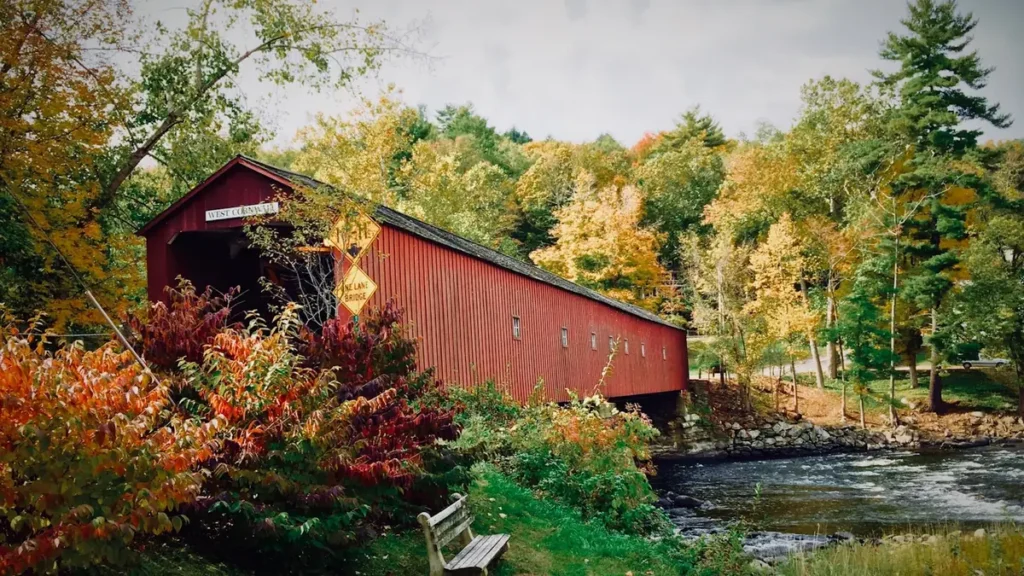
The photo at the top of this page is not Connecticut River.
It is a regional stand-in, honestly captioned but generic — we will not put a name to a river we cannot prove. Send us a photograph you took here and it replaces the stand-in, with your credit on it.
Add a photo of this water
Landscape, not fish — the water itself. Reviewed by hand before it appears. The first one published here earns the Pioneer badge.
Fished this water? Add a photo
Reviewed by hand before it appears. Pick the water, not the spot — we never publish exact locations.
Access
Old Lyme - the gauge reach and access to the lower estuary and the river mouth.
Essex town landing - the main access on the middle tidal river.
Great Island, Old Lyme - marsh and creek access on the east bank.
Old Saybrook and Saybrook Point - access to the mouth and the Sound.
Lyme and Hamburg Cove - protected water and a sheltered launch.
Haddam and Tylerville - access near the upper limit of tidal influence.
Selden Neck State Park - island and channel access on the tidal river.
Seasons
Spring: the shad run and the arrival of migratory striped bass make this the busiest season.
Summer: resident bass and bluefish through the lower river, best fished early, late and on moving tide.
Fall: strong striped bass fishing as fish stage and move out toward the Sound.
Winter: quiet, with white perch and holdover fish in the deeper channel water.
From the water
No logged trips yet. Be the first to put this water on your map.
Log this water
Fished it or cleaned it? Log in or create a free account to log a trip with photos and earn the waterway badge.
Questions
What species can you catch on the Connecticut River?
Anglers target American Eel, American Shad, Bluefish, Channel Catfish, Common Carp, Hickory Shad, Northern Kingfish, Smallmouth Bass, Striped Bass, Summer Flounder, Weakfish, White Perch on the Connecticut River in Connecticut.
Where can you access the Connecticut River?
Old Lyme - the gauge reach and access to the lower estuary and the river mouth. Essex town landing - the main access on the middle tidal river. Great Island, Old Lyme - marsh and creek access on the east bank. Old Saybrook and Saybrook Point - access to the mouth and the Sound. Lyme and Hamburg Cove - protected water and a sheltered launch. Haddam and Tylerville - access near the upper limit of tidal influence. Selden Neck State Park - island and channel access on the tidal river.
When is the best time to fish the Connecticut River?
Spring: the shad run and the arrival of migratory striped bass make this the busiest season. Summer: resident bass and bluefish through the lower river, best fished early, late and on moving tide. Fall: strong striped bass fishing as fish stage and move out toward the Sound. Winter: quiet, with white perch and holdover fish in the deeper channel water.
Where are the fishing regulations for the Connecticut River?
Regulations change by season and section. Read the current rules on the Connecticut agency site: https://portal.ct.gov/deep/fishing/regulations/fishing-regulations