What to Wear on a Float Trip by Season
What to wear on a float trip in spring, summer, fall, and on cold tailwater mornings: layers, sun hoodies, wet-wading shoes, waders, and rain shells.
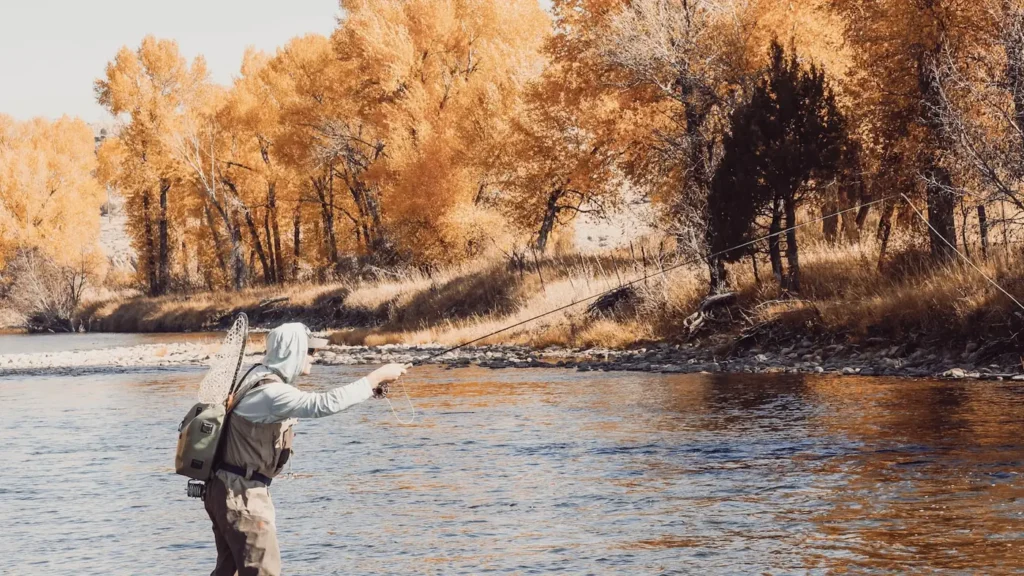
The forecast for the nearest town is not the forecast for the river. Water pulls heat out of the air, tailwaters and spring creeks run cold in every month, and a drift boat has no shade and no windbreak. Figuring out what to wear on a float trip comes down to three questions: what season is it, will you be in the boat or in the water, and how cold is the water itself. This guide works through each season, then covers the pieces that matter no matter when you go. For the rest of your bag, see the float trip packing list.
The rule that covers every season
Dress for the water temperature in the morning and the air temperature in the afternoon, and make it easy to move between the two. That means layers you can peel off and stuff in a dry bag, not one heavy jacket you are stuck with. Skip cotton against the skin. It holds water, dries slowly, and chills you when the wind picks up. Synthetic or merino base layers, a fleece or light puffy, and a rain shell on top will get you through most days on most rivers.
Boat versus wading
On a guided float you spend most of the day sitting or standing in a drift boat or raft. Your feet might get wet at the put-in and on gravel bars, but you are not standing in the current for hours. That changes the calculus. You need sun protection more than insulation, and you need shoes that handle a wet floor and a slippery ramp more than you need wading boots.
If the guide plans to stop and wade a run, or if you are floating a river where much of the fishing is done on foot, you need to dress for standing in cold water. In warm months that means wet-wading shoes and quick-dry pants or shorts. In cold months it means waders, and you should ask the guide whether to bring your own or whether they have loaners.
Spring
Spring is the hardest season to dress for. Air temperatures can swing 40 degrees between a frosty ramp at 7 a.m. and a warm gravel bar at 2 p.m., and spring rain is more likely than not.
- Synthetic or wool base layer, top and bottom
- Fleece or light puffy jacket
- Rain shell and rain pants, or waders if you will be in the water
- Warm hat for the morning, ball cap for the afternoon
- Wool socks, plus a dry pair in the car
- Light gloves if you run cold; fingerless are easiest for fishing
Waders are common on spring floats even from the boat, because they double as rain pants and keep your legs warm when the wind blows. Breathable waders over a base layer and fleece pants work from March into May on most trout water.
Summer
Summer is about sun and heat, not cold. Ozark rivers in July can hit 90 degrees in the air with the water in the 70s downstream, or still in the 50s in the spring-fed upper reaches. Western rivers are cooler but the sun at elevation is stronger.
- Long-sleeve hooded sun shirt in a light color
- Quick-dry shorts or lightweight pants
- Wide-brim hat or a cap with a neck cape
- Polarized sunglasses
- Wet-wading shoes or closed-toe sandals with a heel strap
- A light rain shell, because afternoon storms show up fast
The sun hoodie deserves a paragraph. It sounds hot and it is not. A loose, light, UPF-rated hooded shirt keeps the sun off your arms, neck, and ears, so you sweat less and you sunscreen less. Most guides wear one every day of the summer. Pair it with a neck gaiter if you burn easily.
Wet-wading shoes are the summer footwear answer for both the boat and the water. They drain, they grip, and they stay on. Neoprene socks under them make gravel bars and cold spring water more comfortable. Sandals with a heel strap work in a pinch. Flip flops do not.
Fall
Fall floats can be the best of the year, with fewer people and fish that are feeding ahead of winter. Dress like spring but expect drier weather and colder mornings as the season goes on.
- Base layer and fleece
- Puffy jacket for the morning
- Rain shell, which also cuts wind
- Waders or warm pants depending on whether you will wade
- Warm hat and gloves in October and November
Layering matters most here. A fall morning on a western river can start at 28 degrees and end at 65. You want to be able to go from a puffy and a beanie to a sun shirt and ball cap and back again without stopping the boat.
Winter and tailwater mornings
Tailwaters like the White River in Arkansas, the Bighorn, and the spring-fed reaches of the Current and Eleven Point run at roughly 45 to 58 degrees year-round. That is cold enough to numb feet in minutes and cold enough to fog the river on a 30-degree morning. Anglers fish them all winter, and they dress for it.
- Heavyweight base layer, top and bottom
- Fleece pants and a fleece or wool midlayer
- Breathable waders with plenty of room for the layers underneath
- Insulated wading jacket or puffy under a rain shell
- Wool socks, one pair, thick enough to keep your feet warm but not so thick your boots are tight
- Wool or fleece hat that covers the ears
- Fingerless wool gloves or wading mitts, plus a pair of hand warmers in a pocket
Even on a 50-degree spring or tailwater morning in May, plan on a puffy at the ramp and a shell over it if the wind blows. The water keeps the air right above it cold long after the sun is up. By late morning you will be down to a sun shirt, which is why it all needs to fit in a bag.
Quick reference by season
| Season | Top layers | Bottom | Feet |
|---|---|---|---|
| Spring | Base layer, fleece, rain shell | Waders or rain pants over fleece | Wading boots or waterproof boots |
| Summer | Sun hoodie, light shell | Quick-dry shorts or pants | Wet-wading shoes, neoprene socks |
| Fall | Base layer, fleece, puffy, shell | Waders or warm pants | Wading boots, wool socks |
| Winter tailwater | Heavy base, fleece, insulated jacket, shell | Breathable waders over fleece pants | Wading boots, thick wool socks |
A few things that do not change
- A rain shell rides along every trip. It is a windbreaker, a warm layer over a fleece, and the only thing that keeps you dry when the storm arrives at 2 p.m. Put it in the dry bag if you do not wear it.
- Polarized glasses every trip. They protect your eyes from hooks and let you see the fish.
- A hat every trip. Warm in winter, brimmed in summer.
- Dry clothes in the car. Socks, shoes, and a shirt for the drive home. You will want them.
When in doubt, ask the guide the day before. They know what the water is running, what the morning will feel like, and what people were wearing last week. That call takes two minutes and saves a cold, wet, or sunburned day.