What Is a Float Trip? A First-Timer’s Guide
What is a float trip? How a guided drift boat day works, what it costs, what you fish for, and how to pick a river in the Ozarks or the Rockies.
So what is a float trip? At its simplest, a day spent moving downstream on a river in a boat, with the current doing most of the work. Where it gets confusing is that the phrase covers two different outings that share a river but not much else: a guided fishing float in a drift boat or raft, and a recreational float in a rented canoe, kayak, or raft with a cooler. In Missouri, float trip means both, and people use it without saying which one they mean. This guide covers both, with the emphasis on the guided fishing version, since that is what most first-timers are trying to figure out before they book.
Two kinds of float trips
The guided fishing float
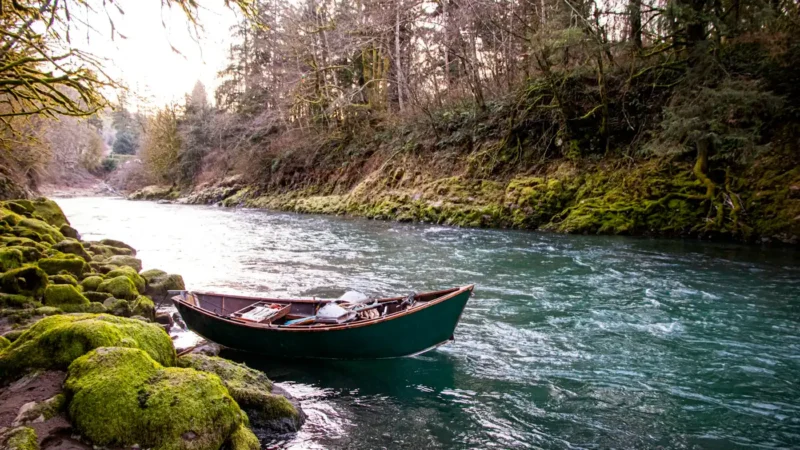
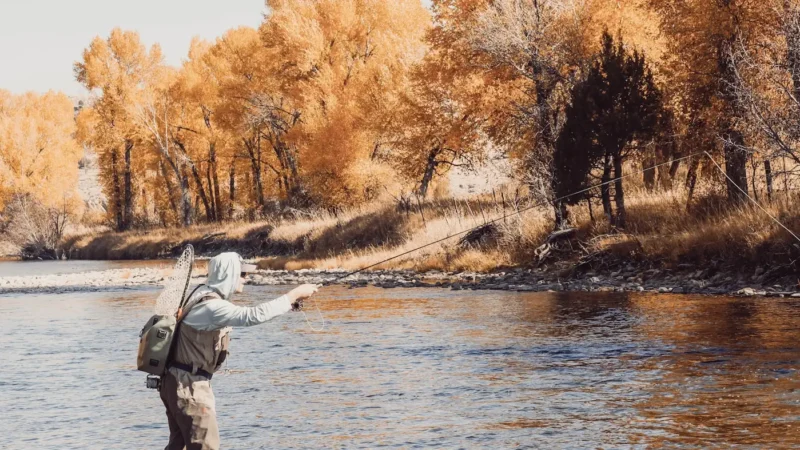
A guide rows a drift boat, raft, or sometimes a canoe or johnboat down a stretch of river while one or two anglers fish from the boat. The guide handles the oars, picks the water, ties on flies or rigs baits, nets fish, and keeps the boat positioned so you can cast at the right spots. You fish. The guide rows.
This is the version you see on the Madison and Bighorn in Montana, the White River in Arkansas, and the spring-fed streams of the Missouri Ozarks. It is also how smallmouth guides work the Current, Meramec, and Elk in the warm months.
The recreational float
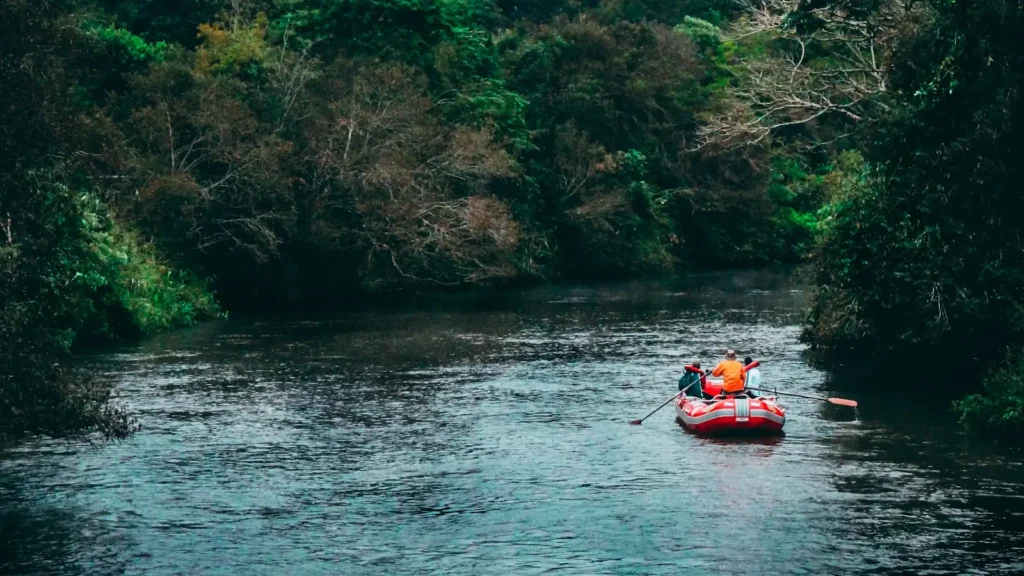
You rent a canoe, kayak, or raft from an outfitter, get shuttled to a put-in, and paddle or drift a stretch that takes anywhere from three hours to two days. Some people fish along the way. Most people swim, sit on gravel bars, and talk. This is the summer weekend crowd on the Niangua, the Meramec, the Elk, and the Current below the park boundary. Both trips can happen on the same water on the same day, which is why it pays to know which one you are booking.
How a guided float day works
Most guided floats follow a similar shape, whether you are in the Ozarks or the Rockies.
- Meet up. You meet the guide early, often between 7 and 8 a.m., at a fly shop, a boat ramp, or a gas station near the river.
- The shuttle. The guide’s truck and trailer need to end up at the take-out while the boat starts at the put-in. Guides either pay a shuttle service to move the rig or drop a second vehicle. It explains why the day starts where it does and why the guide will not float past the planned take-out.
- Put-in. The boat goes in, the guide rigs rods, gives a short lesson if you need one, and explains how to cast from a moving boat. Then you push off.
- Fishing. The guide rows, slows the boat through good water, and anchors or beaches it when a spot deserves more than one pass. On a lot of rivers you will get out and wade a run or two.
- Lunch. Almost every full-day guide provides lunch, eaten on a gravel bar or in the boat. Ask when you book. Half-day trips usually skip it.
- Take-out. You reach the ramp in the late afternoon, typically eight to nine hours after you started for a full day. The guide loads the boat, you settle up and tip, and you drive home tired.
Float distance runs from about five miles on a slow, technical stretch to twelve or more on a big western river. The guide picks the section based on flow, season, and what you want to catch.
What you fish for
It depends entirely on the water.
- Ozark spring-fed rivers like the Current, Eleven Point, and the upper Niangua hold rainbow and brown trout in their cold upper reaches, then shift to smallmouth bass, goggle-eye (rock bass), and sunfish as the water warms downstream.
- Ozark warmwater rivers like the Meramec, the Elk, and the lower Current are smallmouth water first, with largemouth, spotted bass, and the occasional walleye or catfish.
- Western freestone rivers like the Madison are trout water: rainbows, browns, and in some sections mountain whitefish.
- Tailwaters like the Bighorn in Montana and the White in Arkansas are trout fisheries below big dams, with high fish counts and flows controlled by the power schedule.
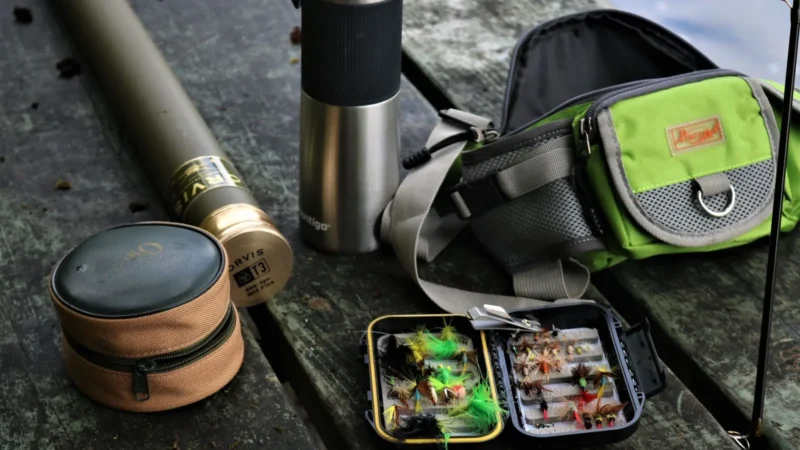
Fly fishing and conventional tackle both work on most of this water. Tell the guide what you prefer when you book. A good guide will steer a beginner toward whatever is catching fish that week.
What it costs
Pricing for a guided float is usually quoted per boat, not per person, because the guide’s day is the same whether one or two people fish. Typical full-day rates in 2026 land somewhere between $425 and $750 per boat-day, with the low end common in the Ozarks and the high end common on famous western rivers during peak season. Half days, where offered, run roughly 60 to 70 percent of that. Lunch is often included. Flies, tackle, and loaner rods usually are. Your fishing license is not, and neither is the tip, which most anglers figure at 15 to 20 percent.
Recreational canoe or kayak floats are a different market. Expect roughly $25 to $60 per person for a boat rental and shuttle on a popular Ozark river, more for multi-day trips or rafts, and less if you bring your own boat and only pay for the shuttle.
| Trip type | Typical price | What is included |
|---|---|---|
| Guided full-day float | $425 to $750 per boat | Guide, boat, shuttle, tackle, often lunch |
| Guided half-day float | $300 to $500 per boat | Guide, boat, shuttle, tackle |
| Canoe or kayak rental float | $25 to $60 per person | Boat, paddles, life jackets, shuttle |
These are ranges, not quotes. Rates vary by river, season, and drive time. Confirm the number before you book.
Who a guided float suits
A guided float is a good fit for beginners who want to catch fish on day one without learning to read water first, for experienced anglers who want to fish new water without a scouting trip, for anyone who does not want to wade long distances, and for pairs where one person fishes hard and the other wants to look at the scenery. It is a poor fit for groups larger than two per boat, since most drift boats seat two anglers, and for people who want to cover their own water at their own pace.
A recreational float suits families, big groups, and anyone whose goal is a day on the river rather than a fish count.
How to pick a river
Start with what you want to catch and how far you are willing to drive. Then check the season. Trout on the Current and Eleven Point fish well year-round in the spring-fed reaches, with fall and early spring being the quietest and often the best. Smallmouth on the Elk, Meramec, and Niangua are a warm-season pursuit, roughly April into October. The Madison has a famous window in late June and July, and a runoff period in May and early June when many guides move to other water. The Bighorn fishes year-round but the flows change with the reservoir.
If you are on the fence, look at the water pages. The Current River is a good first Ozark float, with cold, clear water and trout up top and smallmouth below. The Madison River is a good first western float if you want big water and wild trout. Once you have a river picked, read the float trip packing list so you show up with the right shoes.
One last thing. Fishing licenses and daily limits are set by the state, and they change. Check with the Missouri Department of Conservation or Montana Fish, Wildlife and Parks before your trip, and ask your guide what permits you need for the specific stretch you will float.