ES
Elk Springs Resort
Monterville, WV
Fishes Elk River (West Virginia)
GuidedFloats is in beta. The full site launches March 1, 2027. The mobile app follows.
Guides: claim before March 1, 2027 and your first full season of Premium is free. Claim your founding spot →
West Virginia's premier smallmouth and musky float, running 172 miles off the Allegheny front to the Kanawha at Charleston, with the Queen Shoals reach the classic lower-river drift.
Claimed profiles take booking requests. Unclaimed profiles are built from public records so the river is never empty; the guide can claim or remove one any time.
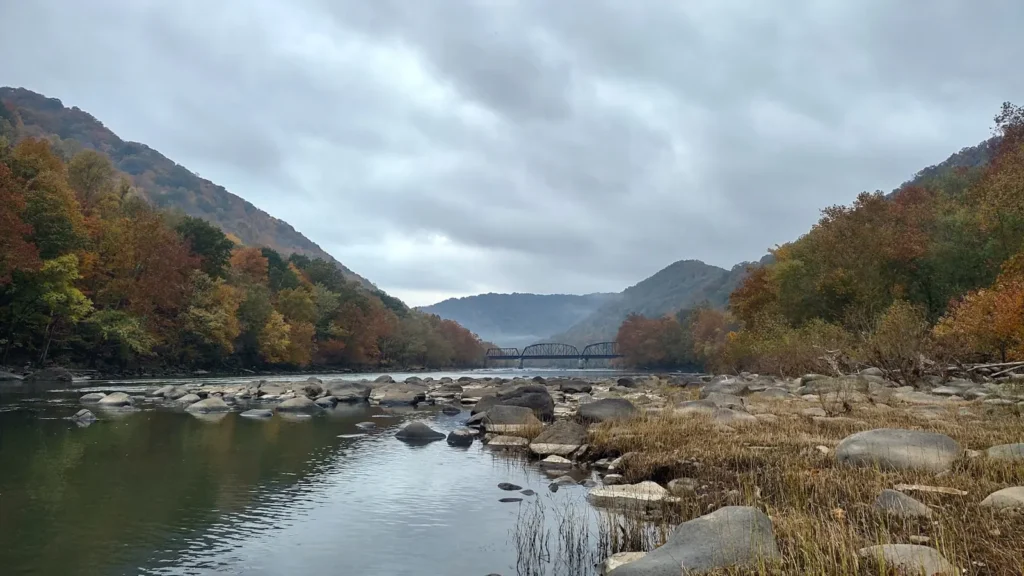
The Elk rises in the high country of Pocahontas and Randolph counties, disappears underground through a limestone reach near Slaty Fork, and then runs west and southwest for well over a hundred and fifty miles through Webster Springs, Sutton, Clay and Clendenin to meet the Kanawha in downtown Charleston. It is one of the longest free-flowing stretches of river in the eastern United States below the Sutton Dam, and it is the water most West Virginia float guides build their season around. The lower half, from Sutton down, is a wide, shallow, ledge-bottomed smallmouth river that drifts well in a raft or a jet boat.
Smallmouth bass are the mainstay and the Elk grows them well: long, clean gravel and ledge structure, abundant crayfish, and enough gradient to keep the water oxygenated through the summer. Muskellunge are the river’s signature fish, though, and the Elk is widely regarded as one of the best musky rivers in the region. They hold in the deeper pools and along the log jams, and guides run dedicated musky trips through the cooler months. Rock bass are everywhere, walleye show up in the deeper water, and channel catfish are abundant through the lower reaches near Queen Shoals and Clendenin.
Access is workable but not lavish. Public landings and low-water bridges serve the river at intervals from Sutton downstream, and float segments are typically planned as full days between them. The upper river above Sutton is smaller, colder, trout-stocked in places, and fished on foot rather than floated. Private land dominates the banks between landings. The Queen Shoals gauge on the lower river reads discharge and stage – there is no temperature series – and is the standard flow reference for planning a drift on the reach below Clay.
Reviewed by hand before it appears. Pick the water, not the spot — we never publish exact locations.
Queen Shoals - river access near the gauge and the reference point for flow on the lower float reach.
Clendenin - public access and the usual downstream takeout for floats coming off the Clay reach.
Clay - a landing serving the middle of the classic lower-river smallmouth and musky water.
Sutton, below the dam - the top of the long free-flowing reach and the coldest water on the lower river in summer.
Webster Springs and the upper river are smaller, stocked with trout in season, and fished by wading rather than floating.
Low-water bridges function as informal access at several points but flood out and are impassable after rain.
Banks between landings are largely private; plan floats landing to landing and take out where you said you would.
Spring: high and stained into May. Musky fishing is at its best in the cooler water and smallmouth begin moving onto the gravel late in the season.
Summer: the core smallmouth float season, with low clear water, good topwater fishing and long floats between landings.
Fall: prime for both species. Cooling water brings the largest smallmouth of the year and starts the best musky window on the river.
Winter: floats largely stop, but dedicated musky anglers keep fishing the deep pools on mild days when the river is not blown out.
No logged trips yet. Be the first to put this water on your map.
Fished it or cleaned it? Log in or create a free account to log a trip with photos and earn the waterway badge.
As of Sep 6, 2:00 am, the USGS gauge ELK RIVER AT QUEEN SHOALS, WV reads 344 cfs. Conditions update every 15 minutes.
Anglers target Channel Catfish, Muskellunge, Rock Bass, Smallmouth Bass, Walleye on the Elk River (West Virginia) in West Virginia.
GuidedFloats lists 1 guide and outfitters on the Elk River (West Virginia). Claimed profiles accept booking requests; unclaimed profiles are built from public records and link to the business.
Queen Shoals - river access near the gauge and the reference point for flow on the lower float reach. Clendenin - public access and the usual downstream takeout for floats coming off the Clay reach. Clay - a landing serving the middle of the classic lower-river smallmouth and musky water. Sutton, below the dam - the top of the long free-flowing reach and the coldest water on the lower river in summer. Webster Springs and the upper river are smaller, stocked with trout in season, and fished by wading rather than floating. Low-water bridges function as informal access at several points but flood...
Spring: high and stained into May. Musky fishing is at its best in the cooler water and smallmouth begin moving onto the gravel late in the season. Summer: the core smallmouth float season, with low clear water, good topwater fishing and long floats between landings. Fall: prime for both species. Cooling water brings the largest smallmouth of the year and starts the best musky window on the river. Winter: floats largely stop, but dedicated musky anglers keep fishing the deep pools on mild days when the river is not blown out.
Regulations change by season and section. Read the current rules on the West Virginia agency site: https://wvdnr.gov/fishing/fishing-regulations/