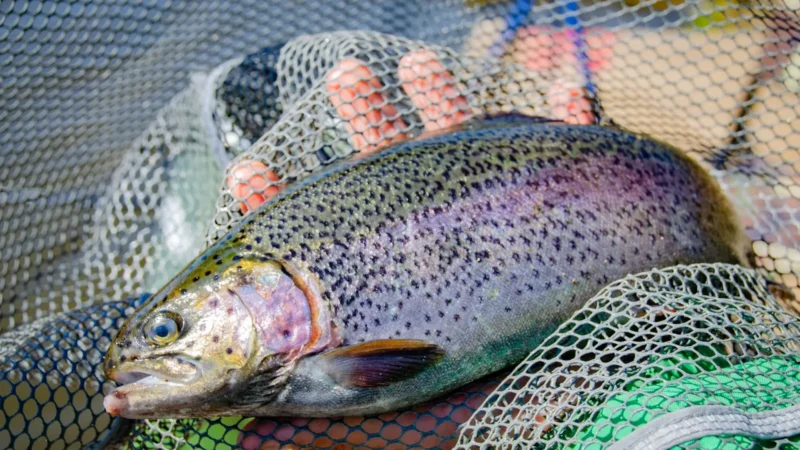
Missouri Blue Ribbon Trout Slam: 9 Waters, How to Finish
All nine waters in Missouri's Blue Ribbon Trout Slam, which ones you can float, a sensible order to finish, and how to log catches with MDC.
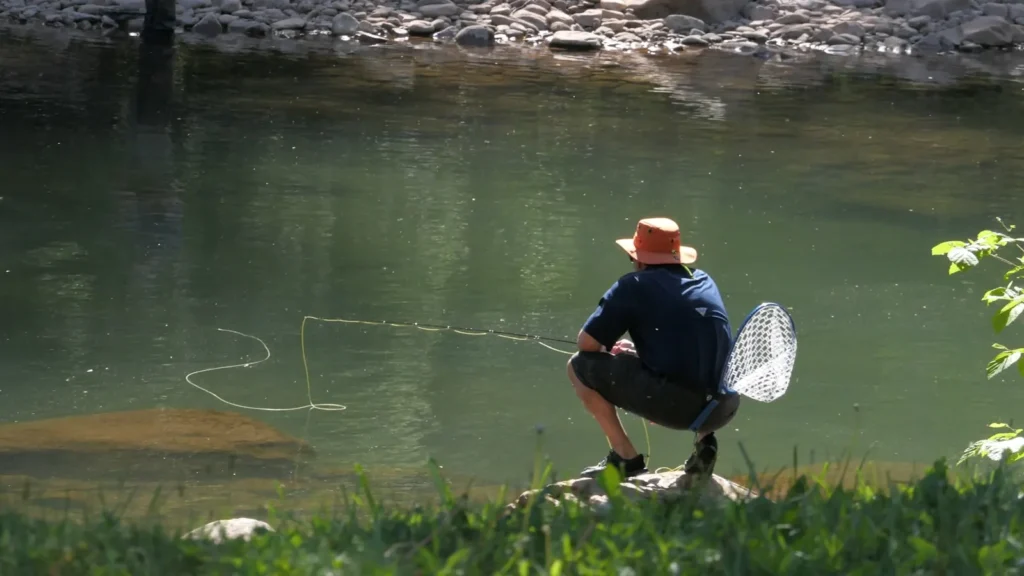
Missouri is not the first state people think of for wild trout, which is exactly why the Blue Ribbon Trout Slam is worth doing. The nine waters in the program are the best cold water the Ozarks have, most of them hold wild fish that have been reproducing on their own for generations, and a few of them are floatable rivers you could spend a week on. Finish the slam and you will have seen the whole range of Missouri trout water, from spring-fed creeks you can step across to rivers that run for miles through National Park land.
How the program works
The Blue Ribbon Trout Slam is run by the Missouri Department of Conservation in partnership with Trout Unlimited. The idea is simple. Catch a trout, any size, any species, from the Blue Ribbon Trout Area on each of nine streams. Log each catch online at mdc.mo.gov. You do not have to keep the fish, and in most of these areas you would not be allowed to anyway.
As of 2026 there are three tiers:
- Bronze at 5 waters
- Silver at 7 waters
- Gold at 9 waters
Each tier earns a certificate and a pin, and Gold comes with a medallion. The program is free to enter. There is no time limit, so a slam can take a season or a decade. Confirm the current rules, tiers, and entry form on the official MDC page before you start, since details can change.
Two things to understand before you go. First, “Blue Ribbon Trout Area” is a specific stretch of each stream with its own boundaries, not the whole creek. A trout caught above or below the marked section does not count. Second, Blue Ribbon areas carry special regulations that differ from statewide trout rules and from each other. Length limits, daily limits, and gear restrictions are all posted on the MDC page and on signs at the access points. Read them for each water before you fish it. The entry form on mdc.mo.gov asks for the water, the date, and basic catch details, and a photo is a good idea even where it is not required.
The nine waters
Three of the nine are rivers you can float. Six are small creeks you fish on foot. That split shapes how you should plan the slam.
The floatable rivers
Current River. The Blue Ribbon section is on the upper river, from Montauk State Park downstream. Below the park boundary the river runs through the Ozark National Scenic Riverways, cold and clear and heavy with wild rainbows and a few browns. This is the water most Missouri trout anglers picture, and it fishes well from a drift boat, a raft, or a canoe. Wade access exists at the upper end. See the Current River page for gauges, sections, and guides.
Eleven Point River. A National Wild and Scenic River in the southern Ozarks with a Blue Ribbon section below Greer Spring. The spring pumps in enough cold water to keep the river trout-friendly for miles, and floating is the practical way to cover it. The rainbows are wild and the river is big enough to feel remote. Details, flows, and guides are on the Eleven Point River page.
North Fork of the White River. The Blue Ribbon section sits on the lower river before it crosses into Arkansas, fed by big springs and known for wild rainbows and some of the best brown trout in the state. Floatable, and popular with guides in drift boats.
The walk-wade creeks
Crane Creek. A small stream in southwest Missouri famous for a strain of wild McCloud River rainbows that have been reproducing there since the late 1800s. The fish are small, spooky, and beautiful. Tight casting, light tippet, and patience. Access is through a city park and a conservation area.
Mill Creek. A spring-fed tributary in Phelps County, small enough that a nine-foot rod feels long. Wild rainbows, brushy banks, and a Blue Ribbon section that rewards careful walking.
Blue Springs Creek. A short, cold creek near Bourbon fed by Blue Spring. Wild rainbows in a tight, wooded corridor. You will not need much line out.
Barren Fork Creek. A tributary of the Current in Shannon County. Small water with wild rainbows and limited public access, so check the MDC page for the boundaries of the Blue Ribbon section and where you are allowed to park.
Spring Creek. A Phelps County creek near Mill Creek with a similar character: small, spring-fed, wild fish, and a short Blue Ribbon stretch. Many anglers fish these two on the same day.
Little Piney Creek. The largest of the creeks, running through Phelps County with a Blue Ribbon section that has wild rainbows and enough room to actually cast. Wading is the standard approach, and the creek can run high and off-color after rain.
A sensible order
The nine waters cluster into three regions, and a slam that respects geography saves a lot of driving.
- Phelps County cluster: Mill Creek, Spring Creek, Little Piney Creek. All three are within a short drive of Rolla. A determined angler can fish all three in a weekend, and a good day can produce two. Start here. It is the fastest way to three waters.
- Blue Springs Creek and Crane Creek. Blue Springs is close enough to the Phelps County creeks to add to that trip. Crane Creek is off on its own in the southwest and pairs naturally with a trip to the North Fork. Finishing either one gets you to Bronze, and the pin arrives.
- Current River and Barren Fork. Barren Fork flows into the Current, so fish them on the same trip. A float on the Current is the highlight of the slam for most people, and Barren Fork is an afternoon add-on. Two more waters, and you are at Silver.
- Eleven Point and North Fork of the White. The two big southern rivers. Both are float trips, both are a long day or an overnight, and both are the kind of water worth booking a guide for if you have never been. Finish here and the Gold medallion is yours.
Seasonally, the creeks fish best in spring and fall when water is cool and flows are stable. Summer heat pushes small-creek trout into the spring branches, and the fishing gets harder. The rivers fish year round, and winter on the Current can be excellent with fewer people. Watch flows before every creek trip. These are small watersheds and a two-inch rain can blow one out for days.
Tracking the slam on GuidedFloats
The GuidedFloats Blue Ribbon Trout Slam program page lists all nine waters with their Blue Ribbon boundaries, links to the special regulations for each, and current flow and percentile for the rivers that have gauges. Mark each water as you complete it and the page shows your tier progress. The official entry still happens on the MDC site, and the program page links straight to it so you can log the catch while it is fresh.
For the three floatable rivers, the water pages list guides who run those sections. For the creeks, you are on your own, which is part of the fun.
Before you go
You need a Missouri fishing permit and a trout permit. Read the Blue Ribbon regulations for each water on the MDC page, because they are not the same from creek to creek and they are enforced. Confirm the current program rules and entry process on the official page, since programs change. Then pick a creek near Rolla, tie on something small, and get your first one on the board.