Oconee River Fishing Guides
The lower Oconee below Dublin, a wide coastal plain river with a serious flathead catfish fishery, spring striper and shad runs, and the broad sandbars that mark the run to the Altamaha.
Guides on the Oconee River
Claimed profiles take booking requests. Unclaimed profiles are built from public records so the river is never empty; the guide can claim or remove one any time.
No guides listed yet
Guide or outfit this water? Create your profile. Listing is free, the commission is 10% or 7% with a premium profile, and premium profiles list first on this water.
About the Oconee River
By the time the Oconee reaches Mount Vernon it has left the Piedmont well behind and become a coastal plain river: wide, sand-bottomed, tea-coloured and lined with the white bars and cut banks that characterise south Georgia’s big rivers. It runs southeast through Montgomery and Wheeler counties to meet the Ocmulgee near Lumber City, and the two together form the Altamaha, the largest river system draining entirely within the state. The floodplain here is extensive bottomland hardwood, flooded for much of the winter and spring, and the river reads very differently from the tailwater reaches far upstream.
The fishery is varied and genuinely strong. Flathead catfish, introduced and now thoroughly established, reach large sizes in the deep outside bends and are the main reason many anglers come. Channel and blue catfish are abundant alongside them. Largemouth bass hold in the sloughs and against woody cover, and the redbreast sunfish fishing is excellent, which in this part of Georgia is a serious statement. In spring, striped bass, hybrids, white bass and American shad push up from the Altamaha, and that run is the most anticipated fishing of the year on the lower river.
This is boat water. The sandbars give landing spots, but the river is wide enough and the banks private enough that access without a boat is limited. Flow matters a great deal: the gauge near Mount Vernon tells you whether the bars are exposed and the river fishable, or whether winter and spring rain has pushed the Oconee up into the bottomland timber, where the current slows, the water spreads and the fish scatter across thousands of acres of flooded forest. Guides working out of Dublin run the reach regularly and are the quickest way to learn where the productive bends sit, because on a river this wide the holding water is not obvious from the surface.
This water needs a real photo
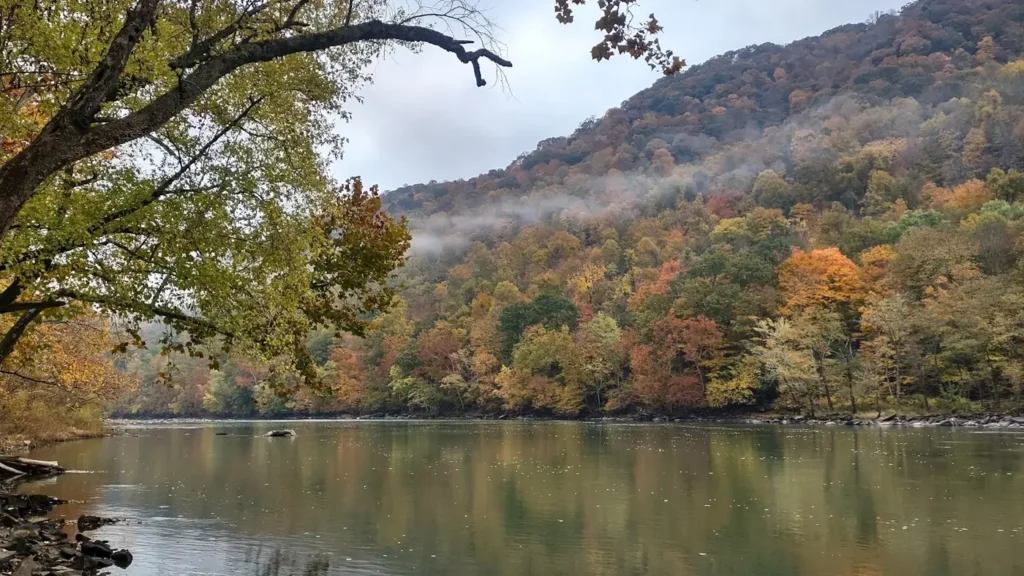
The photo at the top of this page is not Oconee River.
It is a regional stand-in, honestly captioned but generic — we will not put a name to a river we cannot prove. Send us a photograph you took here and it replaces the stand-in, with your credit on it.
Add a photo of this water
Landscape, not fish — the water itself. Reviewed by hand before it appears. The first one published here earns the Pioneer badge.
Fished this water? Add a photo
Reviewed by hand before it appears. Pick the water, not the spot — we never publish exact locations.
Access
Mount Vernon - the gauge community and the usual reference point for conditions on the lower river.
Dublin - the larger city upstream, the practical centre for supplies, ramps and guides on this stretch.
Lumber City - downstream at the Ocmulgee confluence, where the Altamaha begins.
Public boat ramps - scattered county and state ramps along the corridor, the realistic way onto a river with largely private banks.
River sandbars - exposed at moderate and low flow, used for stopping, camping and fishing deep bends on foot.
Bottomland hardwood floodplain - the flooded forest that takes the river in high water and changes the fishing completely.
Altamaha River - the downstream system that supplies the spring striper and shad runs.
Seasons
Spring: the headline season, with striped bass, hybrids, white bass and shad running up from the Altamaha and the river high and pushing into the bottomlands.
Summer: low clear water exposes the sandbars, concentrates fish in the deep bends and brings the flathead catfishing to its best, especially after dark.
Fall: falling flows and cooling water make for steady bass and bream fishing with very little pressure on the river.
Winter: high, cold water spread through the floodplain, with catfish still catchable in the deep holes and the rest of the fishing slow.
From the water
No logged trips yet. Be the first to put this water on your map.
Log this water
Fished it or cleaned it? Log in or create a free account to log a trip with photos and earn the waterway badge.
Questions
What is the current flow on the Oconee River?
As of Nov 2, 7:00 am, the USGS gauge OCONEE RIVER NEAR MOUNT VERNON, GA reads 593 cfs. Conditions update every 15 minutes.
What species can you catch on the Oconee River?
Anglers target American Eel, American Shad, Black Crappie, Blue Catfish, Bluegill, Bowfin, Channel Catfish, Flathead Catfish, Hybrid Striped Bass, Largemouth Bass, Longnose Gar, Redbreast Sunfish, Striped Bass, White Bass on the Oconee River in Georgia.
Where can you access the Oconee River?
Mount Vernon - the gauge community and the usual reference point for conditions on the lower river. Dublin - the larger city upstream, the practical centre for supplies, ramps and guides on this stretch. Lumber City - downstream at the Ocmulgee confluence, where the Altamaha begins. Public boat ramps - scattered county and state ramps along the corridor, the realistic way onto a river with largely private banks. River sandbars - exposed at moderate and low flow, used for stopping, camping and fishing deep bends on foot. Bottomland hardwood floodplain - the flooded forest that takes the river i...
When is the best time to fish the Oconee River?
Spring: the headline season, with striped bass, hybrids, white bass and shad running up from the Altamaha and the river high and pushing into the bottomlands. Summer: low clear water exposes the sandbars, concentrates fish in the deep bends and brings the flathead catfishing to its best, especially after dark. Fall: falling flows and cooling water make for steady bass and bream fishing with very little pressure on the river. Winter: high, cold water spread through the floodplain, with catfish still catchable in the deep holes and the rest of the fishing slow.
Where are the fishing regulations for the Oconee River?
Regulations change by season and section. Read the current rules on the Georgia agency site: https://georgiawildlife.com/fishing/regulations