Alapaha River Fishing Guides
A south Georgia blackwater river running to the Suwannee, holding Suwannee bass and excellent redbreast sunfish, with limestone outcrops and a channel that disappears underground in dry years.
Guides on the Alapaha River
Claimed profiles take booking requests. Unclaimed profiles are built from public records so the river is never empty; the guide can claim or remove one any time.
No guides listed yet
Guide or outfit this water? Create your profile. Listing is free, the commission is 10% or 7% with a premium profile, and premium profiles list first on this water.
About the Alapaha River
The Alapaha is a blackwater river in the truest sense: stained the colour of strong tea by the cypress swamps it drains, running south through Echols County past Statenville and across the Florida line to meet the Suwannee. What sets it apart from other south Georgia rivers is the limestone underneath. In dry periods substantial stretches of the Alapaha sink into swallets in the riverbed and travel underground, leaving a dry channel above and resurging downstream. That is not a curiosity so much as the central fact of the river, and it determines where and when there is anything to fish.
When water is present the fishing is distinctive. Suwannee bass, a species restricted to the Suwannee drainage and a handful of neighbouring rivers, hold in the current around limestone outcrops and woody cover, and catching one is the main reason anglers seek this river out. Largemouth and spotted bass share the water, the redbreast sunfish fishing is outstanding, and warmouth, bluegill, chain pickerel, bowfin and gar fill out the catch. Channel and flathead catfish use the deeper holes and run large in the lower reaches.
Read the gauge at Statenville before you load a boat, because on the Alapaha the question is not only how high but whether. At moderate flow it is a fine kayak river with a defined channel, sandbars for stopping and good access to the limestone structure. At high water it spreads into the swamp and the current becomes pushy and cluttered with strainers. At very low flow the sinks take the river and long sections simply have no water in them, which catches out visitors every dry summer. Local knowledge is worth more here than on almost any other Georgia river, since whether a given reach holds water at all in late summer is something no map or forecast will tell you reliably.
This water needs a real photo
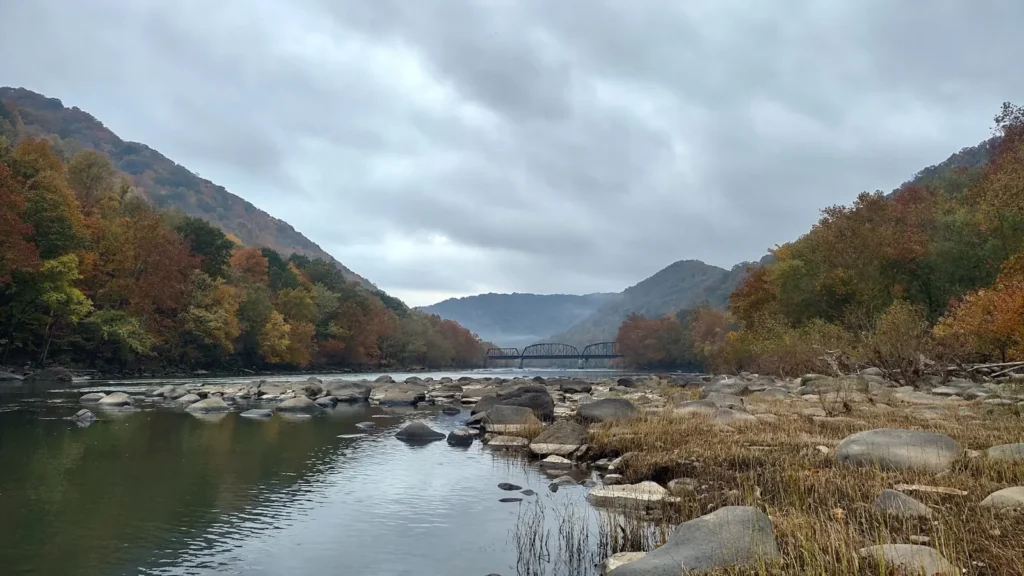
The photo at the top of this page is not Alapaha River.
It is a regional stand-in, honestly captioned but generic — we will not put a name to a river we cannot prove. Send us a photograph you took here and it replaces the stand-in, with your credit on it.
Add a photo of this water
Landscape, not fish — the water itself. Reviewed by hand before it appears. The first one published here earns the Pioneer badge.
Fished this water? Add a photo
Reviewed by hand before it appears. Pick the water, not the spot — we never publish exact locations.
Access
Statenville - the gauge town on the lower river and the most common access point in Echols County.
Alapaha River sinks - the limestone swallets where the river goes underground in dry periods, and the reason to check flows before travelling.
Suwannee River confluence - the downstream end across the Florida line, and the source of the river's Suwannee bass.
County road crossings - the practical public put-ins along the corridor, with limited developed facilities.
Valdosta - the nearest city for tackle, licences, lodging and shuttle arrangements.
Willacoochee - upstream on the middle river, used as a starting point for longer runs.
Cypress swamp corridor - the bordering wetland that stains the water and takes the river in flood.
Seasons
Spring: the most reliable water of the year, with the river running well, Suwannee bass active around the limestone and redbreast sunfish beginning to feed hard.
Summer: the season to check the gauge carefully, because low flow can leave long reaches dry at the sinks even while downstream sections still fish well.
Fall: steady moderate flows return, pressure drops away, and the bass and bream fishing is as good as at any point in the year.
Winter: high, cold and often spread into the swamp after frontal rain, with fishing slow and the channel harder to follow safely.
From the water
No logged trips yet. Be the first to put this water on your map.
Log this water
Fished it or cleaned it? Log in or create a free account to log a trip with photos and earn the waterway badge.
Questions
What is the current flow on the Alapaha River?
As of Nov 2, 6:45 am, the USGS gauge ALAPAHA RIVER AT STATENVILLE, GA reads 433 cfs. Conditions update every 15 minutes.
What species can you catch on the Alapaha River?
Anglers target American Eel, Bluegill, Bowfin, Chain Pickerel, Channel Catfish, Flathead Catfish, Largemouth Bass, Longnose Gar, Redbreast Sunfish, Spotted Bass, Suwannee Bass, Warmouth on the Alapaha River in Georgia.
Where can you access the Alapaha River?
Statenville - the gauge town on the lower river and the most common access point in Echols County. Alapaha River sinks - the limestone swallets where the river goes underground in dry periods, and the reason to check flows before travelling. Suwannee River confluence - the downstream end across the Florida line, and the source of the river's Suwannee bass. County road crossings - the practical public put-ins along the corridor, with limited developed facilities. Valdosta - the nearest city for tackle, licences, lodging and shuttle arrangements. Willacoochee - upstream on the middle river, used...
When is the best time to fish the Alapaha River?
Spring: the most reliable water of the year, with the river running well, Suwannee bass active around the limestone and redbreast sunfish beginning to feed hard. Summer: the season to check the gauge carefully, because low flow can leave long reaches dry at the sinks even while downstream sections still fish well. Fall: steady moderate flows return, pressure drops away, and the bass and bream fishing is as good as at any point in the year. Winter: high, cold and often spread into the swamp after frontal rain, with fishing slow and the channel harder to follow safely.
Where are the fishing regulations for the Alapaha River?
Regulations change by season and section. Read the current rules on the Georgia agency site: https://georgiawildlife.com/fishing/regulations